

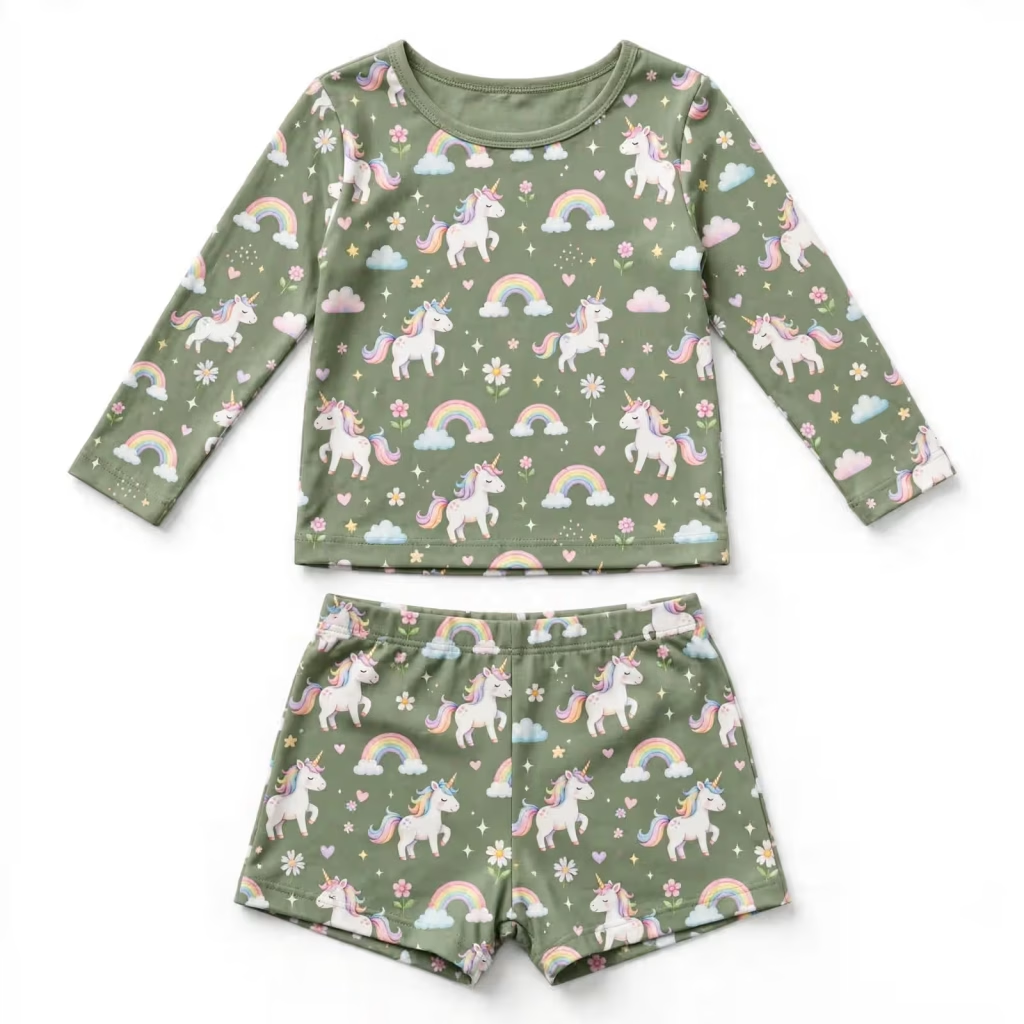
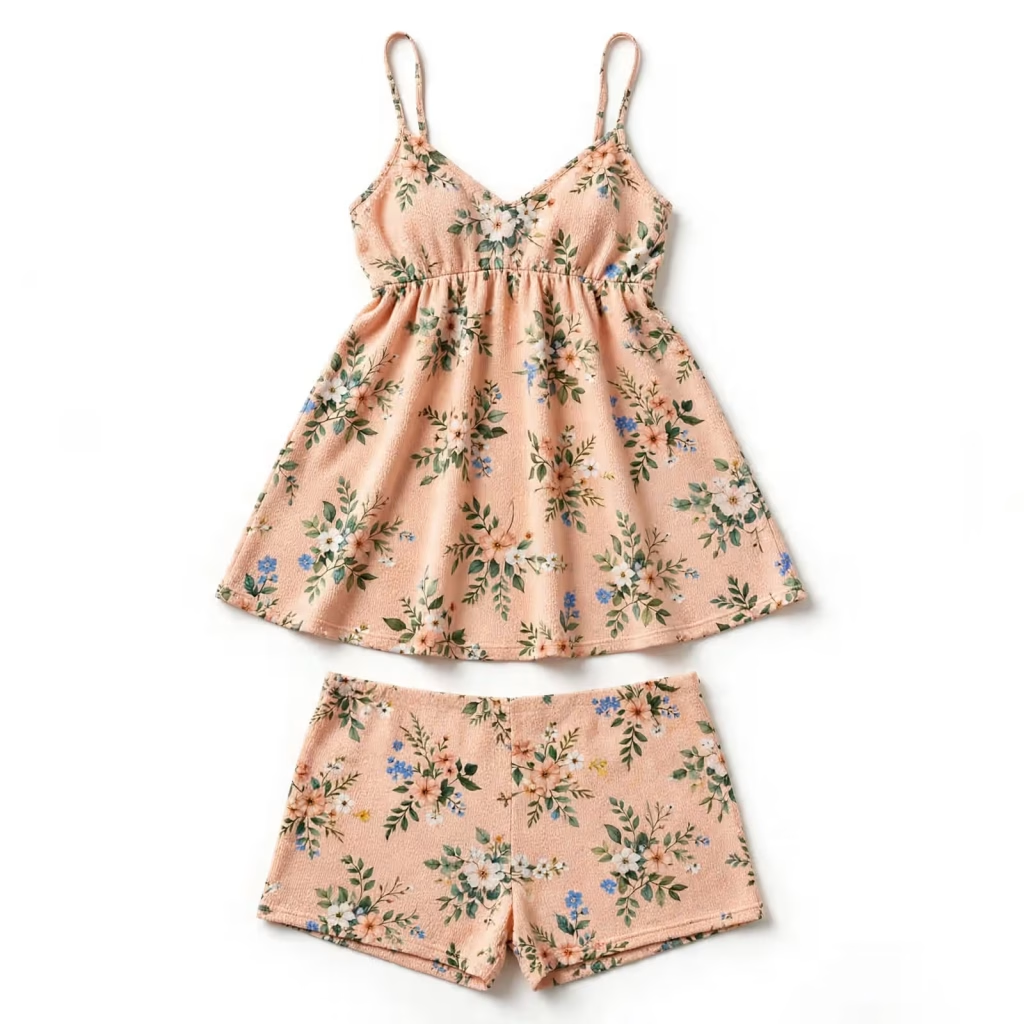
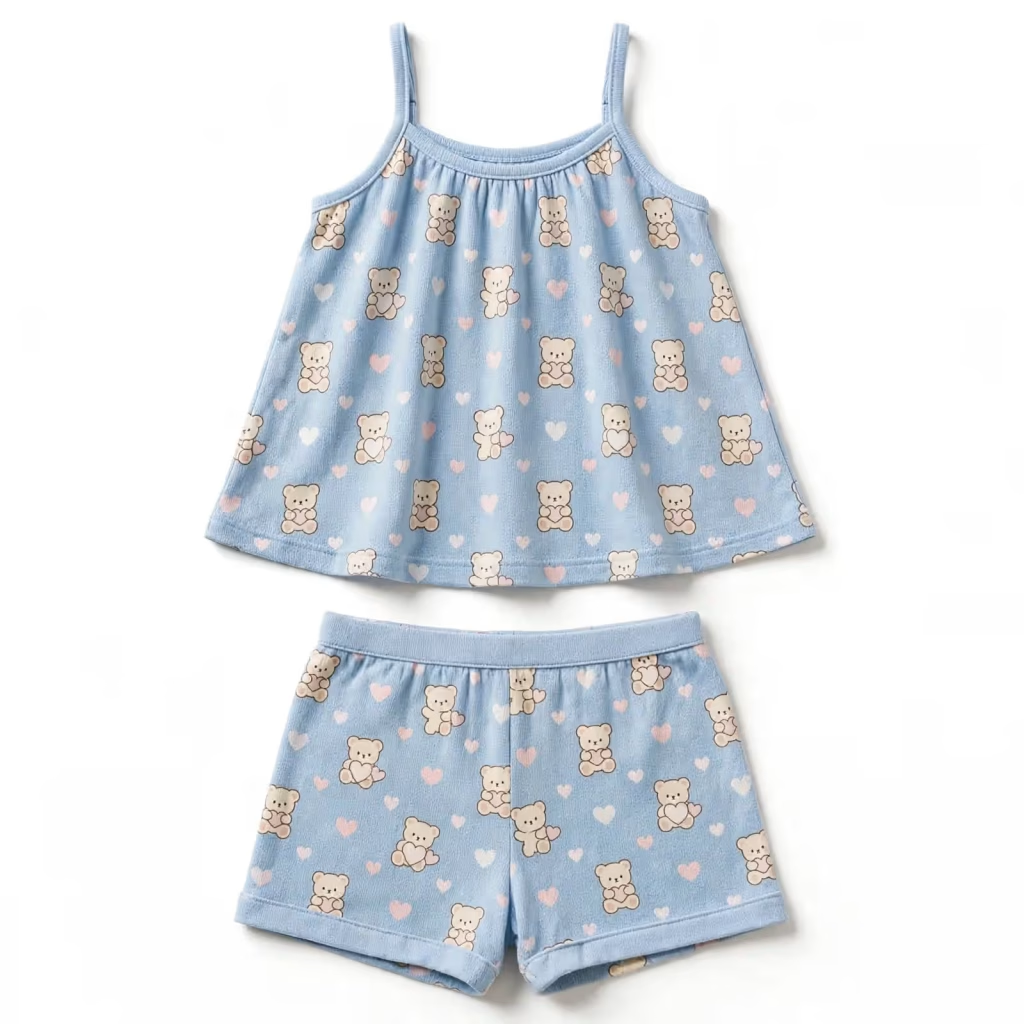

Buy Custom Babydoll Sleep Sets Made for Your Collection
Custom babydoll sleep sets give importers, wholesalers, retail chains, and sourcing agents a direct way to develop sleepwear around their own product requirements. As a manufacturer and supplier, we handle custom fabrics, fit, sizing, colors, prints, trims, private labels, packaging, sampling, and bulk production.
✓ Made to your approved design and measurements
✓ Flexible fabric, color, and styling options
✓ Private-label branding and custom packaging
✓ Sample development before bulk production
✓ Quality checks during production
✓ Suitable for retail and wholesale collections
Send your product brief and let us develop the babydoll sleep set around your buying requirements.
Custom Babydoll Sleep Sets Built for Your Brand
A Custom Babydoll Sleep Set Manufacturer in Bangladesh can help you turn a defined sleepwear concept into a finished product ready for your retail collection. Instead of choosing from generic factory styles, you can specify the fabric, silhouette, length, fit, colors, prints, trims, labels, and packaging. We develop the garment around your product brief and approved specifications.
That difference matters when you are buying for a retail chain, wholesale business, private-label brand, or sourcing client. A close-enough product is not always good enough. The neckline may need changing. The hem may need more volume. The fabric may need a softer hand feel. Your size chart may not match a standard pattern.
We work from your requirements rather than asking you to fit your collection around an existing garment.
When a Standard Sleepwear Style Falls Short
A buyer may find a similar babydoll sleep set from a supplier and think the development work is finished. Then the problems appear during sampling.
The fabric feels too heavy. The skirt section hangs differently from the reference. The straps are not where expected. The fit changes too much between sizes. Branding is difficult to place. Packaging does not meet the retailer's requirements.
Those issues can create another round of samples, revised costing, and production delays.
A made-to-order approach gives you more control before bulk production begins. Your design, measurements, fabric requirements, construction details, artwork, labels, and packing instructions can be reviewed as part of one product specification.
This is particularly useful for:
- Importers developing a private-label sleepwear range
- Wholesalers sourcing defined styles rather than ready stock
- Retail chains planning seasonal or year-round nightwear
- Sourcing agents managing production for apparel brands
- New labels developing their first custom babydoll sleepwear collection
Our wider custom apparel manufacturing service also supports buyers developing multiple garment categories.
Shape the Babydoll Silhouette Around Your Collection
Babydoll sleepwear is often recognized by its relaxed, feminine shape, but there is plenty of room for product differentiation.
You may want a shorter hem for a youthful sleepwear range or a longer version for more coverage. Another collection may call for a fitted upper section with a fuller lower body.
The pattern can be developed around details such as:
- Bust or chest measurement
- Underbust position
- Shoulder width
- Strap placement
- Armhole depth
- Neckline shape
- Body length
- Skirt or lower-panel length
- Hem width
- Side seam shape
- Ease allowance
- Required size range
A babydoll sleep set should not only look attractive on a sample model. The proportions need to work across the complete size range you intend to sell.
Select Fabric for Feel, Fit, and End Use
Fabric is one of the first decisions worth getting right.
A babydoll may look simple, but its appearance can change considerably depending on fabric weight, stretch, drape, surface texture, and recovery.
Potential fabric directions can include:
- Cotton jersey
- Cotton blends
- Viscose jersey
- Modal blends
- Stretch knits
- Ribbed fabrics
- Lightweight woven fabrics
- Other suitable materials based on the approved design
A soft, lightweight material may create a relaxed drape. A fabric with stretch can offer a different fit and recovery. A more structured material can change the shape of the lower section.
If you already know the required composition and GSM, include those details with your inquiry. If the fabric is still under consideration, the design and intended fit can help narrow the suitable options.
Make the Top Section Fit Properly
The upper portion deserves particular attention because it determines much of the garment's comfort and appearance.
Depending on your design, the sleep set can be developed with different necklines and strap constructions. The front and back shape can also be adjusted around your measurement requirements.
Possible details include:
Neckline Choices
- Scoop neck
- V-neck
- Square neck
- Rounded neckline
- Higher neckline
- Trimmed or bound neckline
Strap Details
- Narrow shoulder straps
- Wider straps
- Adjustable strap construction where appropriate
- Self-fabric straps
- Contrast straps
- Decorative strap details
The neckline and strap position should be considered together. Changing one can affect the balance of the whole upper section.
Give the Lower Section the Right Amount of Volume
What makes a babydoll look like a babydoll is often the transition from the upper body into the lower section.
That transition can be subtle or pronounced.
A buyer might want a gentle flare that falls close to the body. Another collection may need a more noticeable gathered or fuller shape. Panel construction can also be used to create a particular silhouette.
The specification may define:
- Waist or underbust seam position
- Panel width
- Gathering
- Pleats
- Flare
- Hem circumference
- Overall length
- Side seam construction
These details affect fabric consumption as well as the finished appearance, so they should be considered during costing and sampling.
Add Details That Give the Product Its Own Identity
Two babydoll sets can share a basic silhouette and still look completely different.
Contrast piping can create a cleaner finish. Lace or trim can add a decorative element. A pocket can add function. A printed panel can give the style a stronger retail identity.
Depending on the design, details may include:
- Piping
- Lace trim
- Decorative binding
- Contrast panels
- Ruffles
- Gathered sections
- Small bows
- Pockets
- Printed artwork
- Embroidery
- Buttons
- Snaps
The selected details should match the fabric and construction. A delicate trim, for example, may require different handling from a basic self-fabric finish.
Develop Colors and Prints for Your Range
Retail buyers often need more than one color or artwork option.
We can develop the garment around your selected color references and approved print artwork. Depending on the material and design, decoration can include printing, embroidery, appliqué, heat transfer, contrast details, or other suitable methods.
Artwork placement is worth checking during sampling.
A print positioned across a seam may behave differently from artwork placed on a flat panel. Stretch fabric can also affect the appearance of a graphic. For that reason, the artwork should be reviewed alongside the garment pattern rather than treated as a separate task.
For buyers building a broader women's collection, the sitemap also includes related categories such as custom women's tank tops and other women's apparel products.
Private-Label Babydoll Sleepwear Without Generic Factory Branding
Your customers should see your brand—not the manufacturer's identity.
Private-label production can include your specified:
- Main brand label
- Size label
- Care label
- Hangtag
- Printed branding
- Packaging artwork
- Folding method
- Polybag requirements
- Carton markings
Label placement can be defined during product development. This helps prevent avoidable problems such as a label interfering with the neckline or sitting in an unsuitable position.
Packaging instructions should also be confirmed before production. A retailer may have specific folding, barcode, bagging, or carton requirements that need to be followed at the packing stage.
Start With Your Product Information
You do not need to have every detail perfect before contacting us.
A useful inquiry can include whatever is already available:
- Design sketch
- Reference photograph
- Technical pack
- Existing sample
- Measurement chart
- Fabric composition
- GSM
- Color references
- Artwork
- Size range
- Label details
- Packaging instructions
- Expected order quantity
If some points are still undecided, they can be discussed during development.
The goal is to identify the important specifications before sampling, not discover them after bulk production has started.
Sampling Helps You Test the Real Product
Pictures and measurements tell only part of the story.
A physical sample lets you check the actual fabric hand feel, garment proportions, seam construction, neckline, strap placement, lower-body volume, finishing, artwork, and overall appearance.
Custom sample development generally starts after order confirmation and initial payment, with the sample fee paid upfront. A custom sample deposit of around USD 500 may be credited toward the final order depending on the agreed arrangement.
Sample development commonly takes around 2–3 weeks, depending on the product and required materials.
What to Check During Sample Approval
Before approving the pre-production sample, buyers should review:
- Fabric composition and weight
- Color
- Overall measurements
- Neckline
- Strap position
- Bust or chest fit
- Underbust seam
- Body length
- Lower-panel shape
- Hem width
- Artwork
- Trims
- Label placement
- Finishing
- Packaging presentation
A clear approval at this stage gives the production team a defined reference for the bulk order.
Bulk Production Starts From the Approved Product
Once the sample and specifications are approved, the project moves into production.
The manufacturing process can include fabric sourcing, material inspection, cutting, sewing, finishing, labeling, packing, and final quality checks.
For knit garments, fabric behavior needs attention during cutting and sewing. Stretch, recovery, shrinkage, and fabric relaxation can affect finished measurements. Construction methods also need to match the selected material.
Siatex Bangladesh has operated in garment manufacturing since 1987. Its production network includes 24+ partner certified manufacturing facilities, with combined capacity of up to 900,000 pieces per month across mixed knit and woven apparel.
The model is made-to-order. Buyers provide the product direction, and production is organized around the approved requirements.
Quality Control Is More Than a Final Inspection
Waiting until the cartons are packed to find problems is not an efficient way to manage a custom garment order.
Quality checks can be applied at relevant stages of production. Depending on the order, these may cover fabric condition, measurements, sewing, construction, artwork, labels, finishing, and packing.
For babydoll sleep sets, particular attention may be given to:
- Measurement accuracy
- Neckline construction
- Strap attachment
- Seam quality
- Panel alignment
- Gathering or pleating
- Hem finish
- Print placement
- Color consistency
- Label position
- Overall appearance
- Packing requirements
Third-party inspection can also be arranged through companies such as SGS, Bureau Veritas, Intertek, or Qima when required. Inspection arrangements and related costs depend on the buyer's requirements.
Compliance Information for International Buyers
A sourcing decision may involve more than price and product development.
Importers, retail chains, and sourcing agents may need information about factory audits, social compliance, and material standards as part of their supplier evaluation.
Depending on the facility and product requirements, the manufacturing network includes facilities associated with:
- BSCI
- SEDEX
- WRAP
- OEKO-TEX for applicable materials or products
Certification and audit status can differ between facilities and orders. The relevant documentation should therefore be confirmed for the specific production arrangement.
This keeps the sourcing process clear and avoids making a blanket certification claim where it may not apply.
MOQ Depends on the Product You Actually Want
There is no sensible reason to quote the same MOQ for every babydoll sleep set.
Quantity can depend on the fabric, color, construction, style complexity, and sourcing requirements.
A regular fabric that is readily available may offer more flexibility. Sustainable or specialized imported materials can require substantially higher quantities because the fabric itself may have a higher minimum purchasing requirement.
For buyers planning several colors or sizes, the order structure can also affect the practical MOQ.
The best approach is to review the actual product brief before confirming the quantity.
Understand the Cost Before You Commit to Production
A low unit price is not useful if it applies to a completely different garment.
Custom babydoll sleep set pricing can be influenced by:
- Fabric composition
- GSM
- Fabric consumption
- Order quantity
- Number of colors
- Print or embroidery
- Lace or other trims
- Construction complexity
- Size range
- Labels
- Packaging
A lightweight cotton jersey babydoll with simple finishing will have different production requirements from a decorated style using specialized fabric and multiple trims.
For a useful quotation, send the design, fabric details, quantity, colors, size range, artwork, branding, packaging requirements, and destination information.
Production Timing for Your Buying Calendar
Planning matters when sleepwear is tied to a seasonal launch or retail delivery window.
Bulk production is generally around 4–8 weeks from PP approval, subject to order quantity, material availability, construction complexity, and final approvals.
The production clock should not be treated as starting before the product is approved. Fabric sourcing, sample revisions, artwork confirmation, and other pre-production work can affect the overall project timeline.
Sharing your required delivery window at the beginning gives the production team a clearer basis for planning.
Serve Different Retail Markets With One Controlled Product Brief
A buyer in the USA may need a specific private-label package and detailed measurement chart. A retailer in the UK or Canada may have its own labeling and packaging expectations.
For collections sold in France, Germany, Spain, Italy, Poland, the Czech Republic, Hungary, Greece, the Netherlands, or Austria, buyers can define the product according to their own assortment, fit, and presentation requirements.
In Australia, a lighter sleepwear direction may suit warm-weather collections, while buyers serving Saudi Arabia and Oman may request different coverage, sleeve, neckline, or fabric choices.
The manufacturing principle remains the same: define the product first, approve the sample, then manufacture to the agreed specifications.
Build a Broader Sleepwear Collection
A babydoll sleep set does not have to stand alone.
You may want complementary nightwear styles using related fabrics, colors, prints, or branding. The sitemap includes other sleepwear categories such as custom nightwear sets and custom sleepwear sets.
You can also consider related silhouettes when building a wider assortment, including camisole, nightdress, chemise, and other sleepwear concepts listed in the sitemap.
This can make collection planning easier when several styles need to share a similar product direction.
Why Buyers Work With Siatex Bangladesh
The right supplier should make your product development easier, not create another layer of uncertainty.
Siatex Bangladesh operates as a custom garment manufacturer. It is not a ready-stock trader offering a fixed catalog of pre-made sleepwear.
You provide the design and product requirements.
The production process can then cover costing, material sourcing, sample development, manufacturing, quality control, finishing, packing, and delivery around the approved specification.
That matters when the garment is part of a private-label collection and the fit, fabric, artwork, branding, and presentation all need to work together.
For buyers developing related one-piece products, the sitemap also lists custom romper manufacturing and custom jumpsuit manufacturing as related categories.
What to Send With Your Inquiry
A complete inquiry helps reduce unnecessary back-and-forth.
Please provide:
- Item or style information
- Design files, sketches, or reference samples
- Technical pack, if available
- Fabric composition and GSM
- Quantity by style
- Size breakdown
- Color requirements
- Artwork or print files
- Labels and branding
- Packaging instructions
- Destination and complete delivery address
If you do not yet have a complete tech pack, send the information you have. We can review the requirements and identify the missing details needed for costing or sample development.
Frequently Asked Questions
Can you manufacture babydoll sleep sets from our own design?
Yes. We can develop made-to-order babydoll sleep sets from technical packs, sketches, reference garments, measurement charts, or other product specifications.
What fabrics can be used for custom babydoll sleepwear?
Depending on the design, suitable materials may include cotton jersey, cotton blends, viscose, modal blends, stretch knits, ribbed fabrics, lightweight woven fabrics, and other appropriate materials.
Can we provide our own size chart?
Yes. Your measurement chart can be used as the basis for pattern development and sample approval.
Can you add private-label branding?
Yes. Main labels, size labels, care labels, hangtags, artwork, packaging, and other approved branding requirements can be incorporated into the product specification.
Can you make printed babydoll sleep sets?
Yes. Printing and other suitable decoration methods can be developed according to the selected fabric, artwork, placement, and construction.
Do you make samples before bulk production?
Yes. Custom samples can be developed before bulk production so buyers can review the product and request adjustments before approval.
What is the MOQ for custom babydoll sleep sets?
MOQ depends on the style, fabric, color, quantity, and material sourcing requirements. Regular readily available fabrics generally offer more flexibility, while specialized, sustainable, or imported fabrics may require higher quantities.
How long does sample development take?
Custom sample development commonly takes around 2–3 weeks, depending on the style, materials, and required revisions.
How long does bulk production take?
Bulk production is generally around 4–8 weeks from PP approval, subject to material availability, order quantity, construction complexity, and final approvals.
Can you arrange third-party inspection?
Yes. Third-party inspection can be arranged through recognized inspection companies such as SGS, Bureau Veritas, Intertek, or Qima when required.
Do you carry ready-made babydoll sleepwear?
The production model is made-to-order. Buyers provide their product specifications rather than selecting from a ready-stock catalog.
Turn Your Babydoll Sleepwear Concept Into a Production Order
A good sleepwear supplier should do more than quote a price. The product needs to match your design, fit your size requirements, use the agreed materials, carry your branding, and arrive according to the approved packing instructions.
Send your babydoll sleep set design, specifications, quantity, fabric requirements, and branding details. We can review the project, prepare costing, develop samples, and move toward bulk production after approval.
Your collection starts with your product brief. We build the garment around it.