Why Bangladesh is the Global Hub for Custom Maxi Skirt Manufacturing
A custom maxi skirt gives fashion brands room to control silhouette, length, fabric, fit, color, and branding around a specific collection. Siatex Apparel develops made-to-order maxi skirts for apparel brands, retailers, importers, and wholesalers looking for private-label OEM production rather than ready-stock garments.
Siatex Apparel has been manufacturing garments since 1987. The business works as an OEM clothing manufacturer, coordinating product development, material sourcing, pattern making, cutting, sewing, finishing, quality control, packing, and export preparation.
For buyers comparing international sourcing locations, Bangladesh combines established garment manufacturing capacity with competitive production costs. This makes it practical for brands planning repeat collections, seasonal ranges, and larger wholesale programs.
A custom maxi skirt manufacturer in Bangladesh can also support different product positions within the same collection. A lightweight viscose skirt can target a flowing summer line, while a heavier knit or structured woven version can work for cooler seasons.
Key manufacturing advantages include:
- Vertical production coordination from fabric and accessories through finishing and packing.
- Production facilities and partners working with standards and audits such as BSCI, WRAP, SEDEX, and ISO 9001.
- OEKO-TEX certified fabric options for qualifying programs.
- Custom product development based on buyer tech packs, samples, sketches, or measurement charts.
- Bulk production for established brands, retailers, importers, wholesalers, and private-label businesses.
Buyers in the USA can develop maxi skirts around their own size charts, fabric standards, packaging specifications, and retail requirements. UK buyers can also request private-label production for seasonal or year-round collections.
For brands that need several skirt silhouettes, our custom skirt manufacturerservice can support a wider product range.
Types of Custom Maxi Skirt We Supply
A maxi skirt is defined largely by its long length, but the commercial possibilities are much broader. The same category can include fitted, flowing, pleated, wrap, flared, straight, knit, jersey, casual, and fashion-led designs.
Siatex develops each custom maxi skirt according to the buyer’s intended fit and construction. Length can be adjusted by size, while the waistband, hem, pockets, closures, panels, and fabric weight can be specified separately.
This approach is useful for brands that do not want a generic wholesale skirt. The finished garment can be built around the brand’s own product identity.
Core Custom Maxi Skirt Styles
Common options include
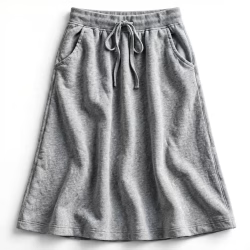
- A-Line Maxi Skirt – A versatile shape that gradually widens from the waist toward the hem.
- Straight Maxi Skirt – A cleaner silhouette with relatively consistent width through the body.
- Flared Maxi Skirt – Uses additional fullness for movement and a softer visual line.
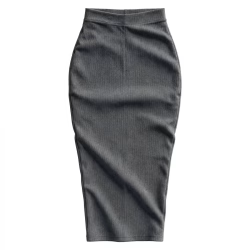
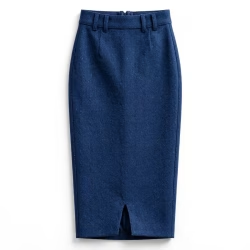
- Pencil Maxi Skirt – A closer fit designed around the waist and hip with a narrower profile.
- Wrap Maxi Skirt – Features an overlapping front with tie, button, snap, or other fastening.
- Pleated Maxi Skirt – Uses permanent or pressed pleats for texture and movement.
- Tiered Maxi Skirt – Built from multiple fabric sections for added volume.
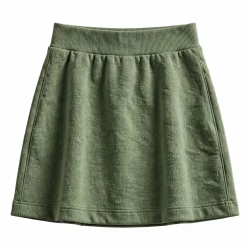
- Ribbed Maxi Skirt – Stretch rib construction works well for fitted contemporary collections.
- Jersey Maxi Skirt – Soft knit construction suited to casual and everyday apparel.
- Knit Maxi Skirt – Can be produced in different knit weights and structures for seasonal collections.
- Bodycon Maxi Skirt – Designed for a close-fitting, figure-conscious silhouette.
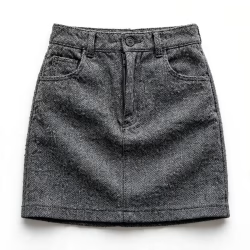
- High-Waist Maxi Skirt – Positions the waistband higher on the body for a particular styling proportion.
- Elastic-Waist Maxi Skirt – A practical choice for relaxed, casual, and lounge collections.
- Panelled Maxi Skirt – Multiple panels can create shaping, color blocking, or distinctive construction.
- Slit Maxi Skirt – Side, front, or back slits can provide movement and change the overall styling.
- Lounge Maxi Skirt – Uses comfortable fabric and relaxed construction for leisurewear.
A custom maxi skirt manufacturer in Bangladesh can also adapt one approved design into several variations. For example, a retailer may use the same base pattern with different fabrics, waist treatments, or prints for multiple seasonal drops.
A buyer targeting Spain may prefer a lightweight, flowing silhouette for warm-weather collections, while a German retailer may need a heavier construction for autumn and winter.
Lightweight, Structured, and Performance Fabrics
Fabric selection affects drape, opacity, comfort, stretch, recovery, weight, and finished appearance. Siatex can source and develop fabrics according to the technical requirements of the approved garment.
Available material directions can include:
- 100% cotton
- Cotton-rich blends
- CVC fabrics
- Polyester blends
- Viscose
- Modal
- Bamboo-based blends
- Elastane and stretch blends
- Jersey
- Rib
- French terry
- Organic cotton
- Recycled polyester
- Pre-consumer recycled cotton
- Buyer-specified woven fabrics
A flowing maxi skirt may require a softer fabric with good drape, while a fitted version can benefit from stretch and recovery. The buyer’s intended retail position should guide fabric selection rather than choosing GSM in isolation.
For customers in France, custom fabric development can be combined with Pantone color matching, lab dips, branded trims, and private-label finishing.
Trend-Driven Maxi Skirt Collections
Maxi skirts can move between casual, resort, streetwear, contemporary, modest fashion, and premium collections depending on construction and styling.
Siatex can incorporate details such as side slits, contrast panels, decorative seams, drawcords, pockets, pleats, asymmetric elements, exposed stitching, custom waistbands, and branded hardware.
A buyer may also create coordinated products from the same fabric story. For example, a maxi skirt can be paired with a matching top or developed as part of a wider knit collection.
For stretch-based collections, our custom ribbed skirt manufacturer capability can be used for fitted or textured designs.
Customization & Branding
Private-label apparel depends on precise product control. Siatex allows buyers to specify the details that define their own Custom Maxi Skirt, from fabric composition and garment measurements to labels and packaging.
The development process can begin with a complete tech pack, but buyers do not always need to have every production detail ready. A sketch, reference garment, photographs, measurement chart, or sample can provide enough information for the merchandising team to start reviewing the project.
Fabric, Colors, and GSM Options
A maxi skirt’s finished appearance depends heavily on how the fabric behaves. Lightweight material can create fluid movement, while heavier fabric can provide more structure. Stretch content can change the fit and recovery around the waist and hip.
Siatex can work with:
- Cotton and cotton-rich fabrics
- CVC and polyester blends
- Viscose and modal
- Rib and jersey
- Organic cotton
- Recycled polyester
- Stretch constructions
- Bamboo-based blends
- Woven fabrics
- Buyer-approved specialty fabrics
GSM can be developed around the product’s intended use rather than a standard fixed weight. The buyer can specify the preferred fabric composition, construction, hand feel, weight, stretch percentage, and performance requirements.
Color development can use Pantone references, approved lab dips, or buyer-provided standards. Multiple colors can be planned within one collection while keeping the same basic pattern and construction.
For buyers in Poland and the Czech Republic, this can be useful when developing coordinated seasonal ranges that require specific colors and consistent fabric quality across repeat orders.
Printing, Embroidery, and Private Label
Maxi skirts do not always require large graphics, but branding can be incorporated through subtle details. Depending on the design, Siatex can arrange woven labels, printed labels, embroidery, heat transfer applications, branded packaging, custom drawcords, and other approved trims.
Private-label options include:
- Woven main labels
- Size labels
- Care and composition labels
- Hangtags
- Custom poly bags
- Barcode and retail stickers
- Branded packaging
- Embroidery
- Heat transfer
- Screen printing where appropriate
- Custom waistbands
- Branded hardware where specified
A custom maxi skirt manufacturer in Bangladesh can also coordinate these components as part of the production order, reducing the need for the buyer to source every component separately.
For startups and growing brands, sample development can be discussed before bulk production. The final MOQ depends on fabric, color, construction, order volume, and sourcing requirements.
Buyers creating a broader bottomwear line can also connect the project with our custom pencil skirt manufacturer service.
Manufacturing Process, Supply Chain & Quality Control
Maxi skirts may look simple, but long garments require careful control of measurements and construction. Small changes in finished length, waistband position, panel width, or fabric shrinkage can affect the fit across an entire size range.
Siatex organizes the manufacturing process around the buyer’s approved specifications. Each stage is planned from development through shipment so the finished product matches the approved sample and technical requirements.
Cut and Sew Workflow
The normal workflow includes:
- Tech pack review – Measurements, construction, materials, trims, labels, artwork, and packaging are checked.
- Pattern development – The production pattern is created or adjusted to match the approved design.
- Sample making – A sample is prepared for fit, construction, and appearance review.
- Fitting and corrections – Necessary adjustments are made before final approval.
- Fabric sourcing – Materials are sourced according to the approved composition and specifications.
- Fabric inspection – Material is checked before cutting.
- Cutting – Approved patterns and markers are used to prepare garment panels.
- Sewing – Panels, waistbands, pockets, closures, slits, and other components are assembled.
- Inline QC – Production is checked during sewing rather than waiting until the end.
- Finishing – Thread trimming, pressing, labeling, folding, and packing are completed.
- Final inspection – Finished goods are checked before shipment.
Pattern grading is particularly important for maxi skirts because the finished length, waist-to-hip ratio, and hem width need to remain consistent across sizes.
A buyer can provide an existing size chart or request development around a new measurement specification. This gives the brand greater control over the final fit than buying a generic stock style.
Quality Assurance and Delivery
Quality control can cover fabric appearance, color, measurements, seam construction, waistband attachment, hems, closures, labels, workmanship, and packaging.
Depending on the buyer’s requirements, the production program can include:
- AQL 2.5 final inspection where specified
- Measurement checking against the approved size chart
- Fabric and shade inspection
- Sewing and seam inspection
- Waistband and closure checks
- Label verification
- Packaging inspection
- Carton quantity verification
- Pre-shipment inspection when required
- FOB Chattogram shipping
- CIF delivery to the buyer’s nominated port
Bulk lead time depends on order quantity, fabric availability, sampling approvals, product complexity, and production capacity. A typical bulk manufacturing period can be around 30-45 days after final approval, with the actual schedule confirmed for each project.
For buyers in Hungary, Greece, and Italy, production can be coordinated around the required shipping method, documentation, and destination port.
For related knit products, buyers may also review our custom knit skirt manufacturer capability.
Compliance, Certifications & Sustainability
Retail buyers increasingly set requirements for factory standards, material safety, social compliance, and environmental practices. These requirements vary by customer, product, and destination.
Siatex can work with buyer-specific compliance requirements during product development and bulk planning. Any retailer testing, audit, labeling, restricted substance, or packaging requirements should be communicated before production begins.
Ethical Factory Certifications
Relevant manufacturing and compliance programs can include:
- BSCI
- WRAP
- SEDEX
- ISO 9001
- C-TPAT requirements where applicable
- OEKO-TEX Standard 100 fabric options
- GOTS options for qualifying organic textile programs
- GRS options for qualifying recycled material programs
The exact documentation available for a specific order should be confirmed according to the production facility, fabric, and buyer requirement.
A retailer in the Netherlands may have a different compliance checklist from a smaller private-label brand in Australia. Early confirmation helps the production team plan testing and documentation before shipment.
Sustainable and Eco Materials
Sustainability can begin with material selection. A brand may choose organic cotton, recycled polyester, recycled cotton, or other approved materials when those options suit the garment’s performance and price target.
Potential material and process choices include:
- Organic cotton
- Recycled polyester
- Pre-consumer recycled cotton
- Cotton-rich fabrics
- Water-based printing where suitable
- Reduced-water processing options where available
- OEKO-TEX certified fabric options
- GOTS material programs where applicable
- GRS material programs where applicable
Environmental and material claims should correspond to the actual approved fabric and supporting documentation. Siatex can review those requirements with the buyer during sourcing.
For brands selling in Austria, sustainability requirements can be incorporated into the product specification without changing the basic silhouette.
Market Segments & Buyers We Serve
A custom maxi skirt can fit several commercial categories. Fashion labels may need distinctive seasonal styles, while wholesalers may prioritize dependable construction and competitive costing. Retailers can require consistent grading, labeling, packaging, and repeat-order capability.
Siatex works with businesses that need made-to-order garments rather than ready-made stock.
Wholesale and Private Label Programs
The production service can support:
- Fashion brands
- Retail chains
- Importers
- Apparel wholesalers
- E-commerce brands
- Boutique groups
- Sourcing companies
- Private-label businesses
- Promotional apparel distributors
- Online fashion retailers
A wholesale buyer might request one practical silhouette in several commercial colors. A fashion brand may require a more detailed maxi skirt with custom fabric, paneling, branded hardware, specialty packaging, and an exact measurement chart.
For buyers in Saudi Arabia and Oman, export production can be arranged around agreed shipping terms and destination requirements.
Siatex can also develop complementary products around the same collection. A maxi skirt program may be paired with dresses, tops, or other bottomwear to create a coordinated seasonal range.
For dress collections, buyers can review the custom maxi dress manufacturerservice.
A buyer looking for shorter skirt silhouettes can also connect the range with a custom mini skirt manufacturer program.
The advantage of developing related products through the same manufacturing network is greater control over fabric sourcing, color matching, trims, labeling, and packaging across the collection.
FAQ
What is the MOQ for a Custom Maxi Skirt?
MOQ depends on the design, fabric, color, construction, and total order quantity. Siatex confirms the applicable MOQ after reviewing the buyer’s specifications. Sampling can also be discussed for startups and developing brands before bulk production.
Can you manufacture private-label maxi skirts?
Yes. Private-label production can include custom main labels, size labels, care labels, hangtags, packaging, poly bags, branded trims, and other approved details. The garment itself can also be developed around the buyer’s own fabric, measurements, colors, and construction.
What fabrics can be used for custom maxi skirts?
Available options can include cotton, cotton blends, viscose, modal, jersey, rib, bamboo-based blends, elastane blends, organic cotton, recycled polyester, recycled cotton, and buyer-specified woven fabrics. The final fabric is selected according to the design, season, target price, and performance requirements.
Can you develop a maxi skirt from my sample or sketch?
Yes. Buyers can submit a tech pack, reference sample, sketch, photographs, measurements, or an existing garment. The merchandising and development team can use the available information to review construction, prepare costing, and develop a production sample.
How long does bulk production take?
Bulk production commonly takes around 30-45 days after final approval, although the actual schedule depends on fabric availability, order quantity, product complexity, sampling, and production planning. The confirmed timeline is provided for each order.
How do I get wholesale pricing?
Send the product specifications, estimated quantity, colors, fabric preference, size range, branding requirements, and shipping terms. Siatex can then prepare project-specific costing. Pricing varies according to material, construction, order quantity, trims, packaging, and delivery terms.
Start Your Custom Maxi Skirt Production
A commercially successful custom maxi skirt starts with a clear specification. Send your tech pack, sketch, reference sample, measurement chart, preferred fabric, colors, quantity, and branding requirements to the Siatex merchandising team.
From the first sample to bulk manufacturing, the product can be developed around your own fit, fabric, construction, branding, and packaging requirements.
Siatex Apparel has manufactured garments since 1987 and works with apparel brands, retailers, importers, and wholesalers seeking OEM production. If you are planning a new skirt collection or expanding an existing range, send your product details for sampling and quotation.