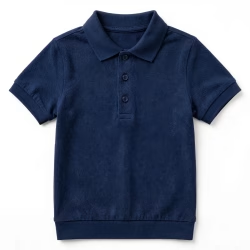
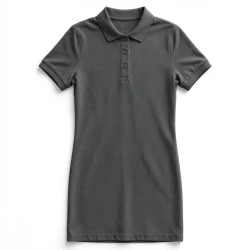
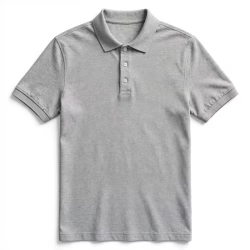
Custom Men’s Polo Shirt Manufacturer in Bangladesh
Siatex Apparel manufactures custom men’s polo shirts for apparel brands, retailers, importers, and wholesalers that need products made to their own specifications. Buyers can define the fabric, GSM, fit, measurements, colors, collar construction, placket, buttons, artwork, labels, trims, and packing.
Polo shirts need more technical attention than their simple appearance suggests. The collar must sit correctly. Placket length and width affect the front shape. Button placement needs to remain consistent, while fabric weight and knit construction influence how the garment hangs and performs after washing.
Our custom polo shirt manufacturing service is intended for B2B buyers developing private-label, wholesale, corporate, promotional, casualwear, and retail polo programs.
Men’s Polo Shirts Made to Buyer Specifications
A polo shirt should reflect the buyer’s product brief rather than a standard factory design. One brand may require a fitted short-sleeve polo in lightweight fabric. Another may need a relaxed retail style with a heavier structure and embroidered chest logo.
Custom specifications can cover:
- Short-sleeve or long-sleeve construction
- Regular, slim, relaxed, or buyer-defined fit
- Custom fabric composition and GSM
- Buyer-selected body and collar colors
- Two-button, three-button, or specified placket construction
- Custom collar and cuff details
- Contrast trims where specified
- Side vents where required
- Printing and embroidery
- Main labels and size labels
- Care and composition labels
- Hangtags, barcodes, and packing requirements
The buyer’s tech pack or approved sample remains the main reference throughout development and production.
Polo Shirt Fabrics and Knit Structures
Fabric selection determines much of the polo shirt’s appearance and feel. Buyers should specify the required composition, knit structure, weight, color, and finishing rather than requesting a generic polo fabric.
Piqué is closely associated with polo shirts because its textured knit surface gives the garment a recognizable structure. Jersey creates a smoother appearance and different drape. Other suitable knit constructions can be considered according to the buyer’s product requirements.
GSM also matters. A lightweight polo and a heavier polo may use similar patterns but feel and wear differently.
A useful fabric specification includes fiber composition, GSM, knit construction, required color, finishing requirements, shrinkage expectations, and any performance criteria relevant to the order.
For buyers sourcing simpler knit tops alongside polos, Siatex also manufactures custom T-shirts to buyer specifications.
Collar, Placket, and Cuff Development
The collar is one of the first areas a buyer notices on a polo shirt. Its dimensions, construction, firmness, color, and relationship with the neckline all affect the finished appearance.
Buyers can specify collar dimensions and styling through their tech pack or reference sample. Sleeve cuffs can be coordinated with the collar or developed according to a separate specification.
The placket requires equally clear instructions. Its finished length, width, number of buttons, button size, button color, stitching, and reinforcement should be established during development.
Contrast tipping, stripe details, inner-placket colors, or other design elements should be shown clearly in the artwork or technical drawing.
Custom Fit and Size Grading
“Regular fit” does not mean exactly the same thing to every apparel company. Brands often work with their own blocks and measurement standards.
A men’s polo shirt measurement chart may include chest width, body length, shoulder width, sleeve length, sleeve opening, bottom width, collar dimensions, and placket measurements. The exact points depend on the design.
Providing a graded size chart helps production teams understand how the garment should change from one size to another. Measurement tolerances should also be stated.
A reference garment can help when the desired silhouette is difficult to communicate through measurements and photographs alone.
Private Label Polo Shirts for Clothing Brands
Private-label production gives brands control over how the polo shirt appears at retail.
Labels may carry the brand name, garment size, fiber composition, care instructions, and other required information. Hangtags, stickers, barcodes, folding instructions, and polybag specifications can also form part of the packing brief.
Artwork should be supplied separately in a usable production format. Buyers should specify dimensions, colors, and exact placement.
For example, an embroidered chest logo needs a defined width and position from fixed garment reference points. “Small logo on left chest” leaves too much room for interpretation.
Clear instructions at development stage reduce corrections later.
Embroidered and Printed Men’s Polo Shirts
Polo shirts can be developed with buyer-specified branding and artwork where the construction and material are suitable.
Embroidery is frequently associated with polo styling because it works well for chest logos and small brand marks. The finished result depends on factors such as artwork size, stitch density, fabric stability, thread selection, and placement.
Printed designs require their own technical review. Artwork dimensions, colors, position, and intended effect should be stated before sampling.
Buyers planning related sports or heritage-inspired tops can also consider custom rugby shirt manufacturing.
Sampling Before Bulk Polo Shirt Production
Sampling provides a physical reference before bulk manufacturing.
A polo sample should be reviewed for more than overall appearance. Buyers should check the body measurements, fit, collar dimensions, collar shape, placket construction, button position, sleeve length, cuff dimensions, side vents, artwork, labels, and finishing.
Any corrections should be measurable.
Instead of commenting that the collar should be “a little smaller,” specify the revised dimensions. If the chest needs more room, provide the required measurement change.
Once the relevant details are approved, the confirmed specification can be followed during bulk production.
Bulk Polo Shirt Manufacturing Process
Production begins from the approved product requirements. Fabric, trims, measurements, construction details, colors, artwork, and packing specifications need to be settled before bulk manufacturing proceeds.
Fabric is prepared and cut according to the required size breakdown. Cut components move through sewing operations, including body assembly, collar attachment, placket construction, sleeve setting, cuff attachment where applicable, and hemming.
Buttons, labels, embroidery, printing, or other specified elements are handled according to the approved design and production sequence.
Finished garments then move through inspection, finishing, folding, and packing.
Each stage needs to stay aligned with the approved sample and technical specification.
Quality Control for Custom Polo Shirts
Polo shirt quality is easier to manage when the buyer provides measurable standards from the start.
During production, checks can cover garment measurements and construction. Sewing inspection may identify issues such as uneven seams, skipped stitches, puckering, incorrect placket alignment, inconsistent button placement, or poorly attached collars.
Decorated garments also require checks against the approved artwork and placement requirements.
Final inspection should consider the complete garment, including measurements, appearance, workmanship, labels, trims, finishing, and packing according to the order specification.
Men’s Polo Shirt Manufacturing for USA Brands
US brands source polo shirts for fashion, casualwear, corporate clothing, uniforms, promotional programs, and private-label retail collections.
A buyer sourcing polos for the American market should provide the actual product requirements rather than relying on a generic US size description. Brand-specific measurements are more useful for manufacturing.
Quantity by color and size should be included when requesting costing. Artwork, labeling, packaging, and destination details should also be supplied where available.
Brands building casual collections can pair polos with custom Henley shirts for another collar and placket-based knitwear option.
Polo Shirt Sourcing for German Apparel Buyers
German apparel brands, retailers, wholesalers, and sourcing companies may work with detailed technical specifications covering fabric, construction, sizing, labeling, packaging, inspection, and product requirements.
A complete tech pack gives both sides a fixed reference. It helps reduce assumptions during sample development and provides measurable criteria when production is inspected.
For a German private-label polo program, buyers should clearly define the required fabric, GSM, color references, measurements, collar details, artwork, trims, quantities, and packaging.
Custom Polo Production for Spanish and French Brands
Fashion and retail buyers in Spain and France may require polos ranging from clean everyday basics to more detailed branded styles.
Fit is especially important when a polo forms part of a fashion collection. A slim silhouette, relaxed fit, longer body, shorter sleeve, or modified collar can substantially change the character of the garment.
These details should be expressed through measurements and technical drawings rather than descriptive terms alone.
Siatex can manufacture related knitwear products as part of broader sourcing programs, including custom sweatshirts.
Polo Shirt Supply for Italian and Dutch Buyers
Italian clothing brands may approach polo development from a fashion or lifestyle perspective, while buyers in the Netherlands may source polos for retail, work-related, promotional, or private-label programs. In either case, production should follow the individual buyer’s specifications.
Fabric feel, collar structure, fit, color, button choice, embroidery, and finishing can noticeably change the finished product.
The manufacturer’s job is not to assume those details. They should be documented, sampled, reviewed, and approved.
Private Label Polos for UK Retailers
UK retailers, importers, wholesalers, and clothing brands can develop polo shirts around their own sizing and brand identity.
The inquiry should state the intended product type. A fashion polo may have very different construction and finishing requirements from a uniform or promotional polo.
Buyers should also identify the required labeling and packing format early in development. These details can affect both sampling and bulk production planning.
For buyers building warmer coordinated apparel ranges, custom sweatshirts provide another private-label knitwear option.
Men’s Polo Shirts for Canadian Importers
Canadian apparel buyers can source men’s polo shirts based on their own technical specifications, size charts, branding, and packaging.
A useful sourcing inquiry states exactly what is required. Fabric composition and GSM should be included along with order quantities, colors, measurements, collar construction, artwork, and labeling details.
Seasonal use can influence fabric selection. A polo intended for a lightweight summer collection may need a different weight and feel from one developed for year-round corporate or retail use.
Polo Shirt Sourcing for Portugal, Belgium, Poland, and the Czech Republic
European apparel sourcing is rarely a one-specification-fits-all process. A wholesaler in Poland may have different size and price requirements from a private-label retailer in Belgium. Buyers in Portugal or the Czech Republic may also work with their own technical and packing standards.
For manufacturing purposes, those individual specifications matter more than broad assumptions about a country.
Sending complete order information allows fabric, trims, construction, sampling, production, and packing requirements to be assessed against the actual project.
What Buyers Should Send for a Polo Shirt Quotation
Accurate costing depends on accurate specifications.
A useful quotation request should include:
- Tech pack or detailed product drawing
- Fabric composition
- Fabric GSM and knit construction
- Measurement chart
- Size breakdown
- Quantity per color
- Pantone or other color references
- Collar and cuff specifications
- Placket and button details
- Print or embroidery artwork
- Label and hangtag requirements
- Packing instructions
- Delivery destination
- Reference sample or photographs when useful
Incomplete specifications can make an early price misleading because changes to fabric, construction, decoration, or order quantity can affect costing.
Source Custom Men’s Polo Shirts from Bangladesh
Siatex Apparel works with apparel companies that need custom polo shirts manufactured around their own product specifications. The process starts with the buyer’s requirements rather than a ready-made catalog style.
Send your tech pack, fabric details, GSM, measurement chart, colors, quantity breakdown, artwork, labels, and packing requirements for review.
Brands developing coordinated casualwear can also source custom hoodies alongside T-shirts and polo shirts.
Frequently Asked Questions
Does Siatex Apparel manufacture custom men’s polo shirts?
Siatex Apparel manufactures made-to-order apparel for B2B buyers. Men’s polo shirts can be developed according to buyer-supplied fabric, measurements, colors, collar details, artwork, labels, trims, and packing specifications.
Can I order private-label polo shirts?
Private-label polo shirts can be developed around the buyer’s brand requirements, including main labels, size labels, care labels, hangtags, artwork, and specified packaging.
What fabrics can be used for men’s polo shirts?
Fabric should be selected according to the product specification. Piqué and jersey are relevant knit structures for polo development, with composition and GSM defined according to the buyer’s requirements.
Can the polo shirt collar and placket be customized?
Buyers can specify collar dimensions, colors, tipping or other details, as well as placket length, width, button quantity, button type, and related construction requirements.
Can you add embroidery to custom polo shirts?
Buyer-specified embroidery can be considered according to the garment and artwork requirements. Supply the artwork, dimensions, colors, and exact placement instructions for development.
What information do I need for a quotation?
Provide the fabric composition, GSM, measurements, order quantity by color, size breakdown, collar and placket details, artwork, labels, trims, packaging, and delivery destination. A complete tech pack is preferable.
Can I develop a sample before bulk production?
Sampling allows the buyer to review measurements, fit, fabric, collar construction, placket, buttons, branding, artwork, labels, and finishing before the bulk specification is finalized.
Do you work with international apparel buyers?
The page is intended for B2B buyers sourcing for markets such as the USA, UK, Canada and individual European markets including Germany, Spain, France, Italy, the Netherlands, Portugal, Belgium, Poland, and the Czech Republic.
Bulk Men’s Polo Shirts Built to Your Brand Specification
Send your polo shirt tech pack, fabric and GSM requirements, size chart, quantities, colors, branding, and packaging details to discuss a made-to-order production program with Siatex Apparel.